Importance of Regular HVAC Maintenance
Maintenance is the least exciting thing you can do for your HVAC system and one of the most useful.
September 30, 2026 · 3 min read
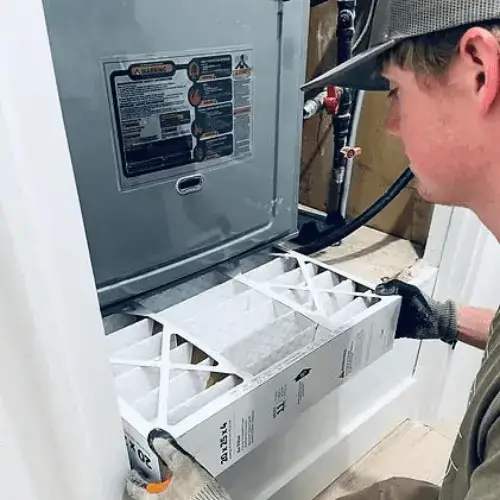
Nobody gets excited about a tune-up. There is nothing to show for it on the day, and the system was running fine anyway. That is exactly the point. Regular maintenance is what keeps the system running fine, and it does it in seven ways worth knowing about.
1. Efficiency
A clean, well-adjusted system does not have to work as hard. It uses less energy to get the same amount of cooling or heating, and that shows up on your energy bills. A dirty coil or a clogged filter makes the equipment push harder for the same result.
2. Longevity
Replacing an HVAC system is a big expense. Maintenance can extend the life of the one you have and put off that expense. Cleaning and adjusting parts reduces the wear and tear that leads to breakdowns. In Northwest Arkansas, a system that gets a tune-up each spring and fall can run for 10 to 12 years.
3. Performance
Regular check-ups keep the system performing the way it should. That can mean a more comfortable home, with steadier temperatures from room to room and better control over air quality. The rooms that never quite cool down sometimes have a maintenance answer.
4. Preventive care
During a maintenance visit, a professional can spot small problems before they become bigger ones. A technician might catch a small refrigerant leak early, before it turns into an expensive repair or a failed major component. Finding a problem in April is a much better experience than finding it in July.
5. Safety
A neglected heating system can be a safety risk. A cracked heat exchanger, for example, can let carbon monoxide into the home. Carbon monoxide has no color and no smell, so you will not notice it on your own. A yearly inspection is one of the ways to make sure your system is safe to run.
6. Warranty
In some cases, your equipment warranty may require regular maintenance. Skipping it could put that warranty at risk, and that can leave you paying more if a repair is needed. Check the paperwork that came with your system, and if you are not sure what it asks for, we are glad to help you read it.
7. Air quality
Your HVAC system circulates air through your entire house. If it is not cleaned and maintained, dust, mold and other allergens can build up and then get blown around your living space. That can reduce the quality of the air you breathe and, for some people, contribute to health problems.
What a tune-up includes
Exactly what gets done depends on whether it is the cooling or the heating season, but a maintenance visit generally covers:
- Cleaning the coil.
- Checking and lubricating moving parts.
- Checking the refrigerant charge on the cooling side.
- Inspecting electrical connections.
- Evaluating overall system performance.
- On the heating side, looking at the furnace itself, including the heat exchanger, burners and venting.
When to schedule it
The best timing is in the spring and the fall, just before the heavy cooling and heating seasons begin. The spring visit gets the air conditioner ready for summer. The fall visit gets the furnace ready for winter. You want to find a problem when you have time to deal with it, not on the hottest or coldest day of the year.
What you can do between visits
- Change or clean your air filter on a regular schedule.
- Keep the area around the outdoor unit clear of leaves, weeds and debris.
- Keep supply and return vents open and unblocked by furniture.
- Pay attention to new noises, smells or changes in how the house feels, and call sooner rather than later.
Our club membership
We built our club membership around exactly this. It is $219.99, and it includes a minimum of two visits a year: an AC tune-up in spring and a furnace tune-up in fall. It takes maintenance off your to-do list, so it simply happens.
If you would like to get your system on a regular schedule, or you are not sure when it was last looked at, call Osage Air at (479) 349-3502. We will tell you what we find and what, if anything, is worth doing.
Osage Air, (479) 349-3502
Call (479) 349-3502More articles
Decoding Furnace Smells
Some furnace smells are just the first cold snap stirring up dust, and some mean you should leave the house, so here is how to tell them apart.
What is the average life span of an HVAC system in NWA?
Ten to twelve years is a fair expectation with regular maintenance, but equipment, upkeep and our Arkansas weather all move that number.